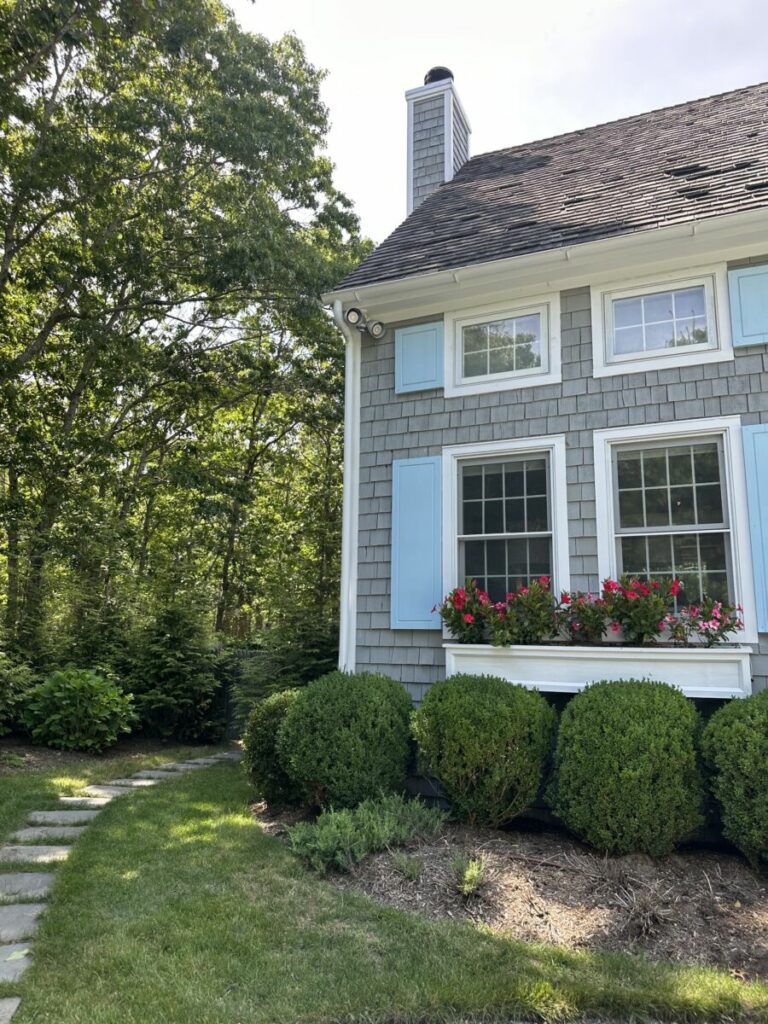
As we continue on the journey of becoming a “future matriarch,” we return again and again to one central idea: building a life rooted in stability, intention, and legacy.
Homeownership is one of the clearest reflections of that vision. It represents more than a financial milestone; it’s the creation of a space where memories are made, traditions are established, and future generations are nurtured.
But while the dream of owning a home can feel exciting, the process itself can often feel intimidating, especially when no one ever taught us how to navigate it. That’s why this series exists. Month by month, we’re breaking down the journey into practical, approachable conversations that empower women to move forward with confidence instead of fear. With guidance and insight from Satchel Howard, each installment is designed to help future matriarchs not only understand the home buying process, but truly see themselves within it.
If you missed the first two, we encourage you to go back and read Satchel’s advice on laying the foundation and your buying/credit power.
1: History
Understanding the Difference and Why It Matters Long Term
Surprisingly, there was a time when renting wasn’t as common as it is today. Following World War II, homeownership became increasingly more common for American families as suburban communities expanded and buying became more accessible. Owning a home was seen as the “normal” path for most families because it represented stability, security, and long-term investment in the future.
Over time, renting became more common — especially in growing cities where home prices increased and flexibility became more important. Lifestyle changes, career mobility, student debt, and rising costs all contributed to more people choosing, or needing, to rent instead of buy.
Then came the 2008 housing crash, which dramatically changed the market. After the crash, many builders slowed down or stopped building altogether out of fear and financial loss. For years, fewer homes were built than the growing population actually needed. That shortage created a ripple effect we still feel today: more competition, fewer available homes, and significantly higher home prices.
And while renting absolutely serves a purpose (like offering flexibility, lower upfront costs, and less maintenance responsibility) it works differently financially.
When you rent, your monthly payment gives you a place to live, but it doesn’t create ownership or long-term financial return. When you own, a portion of your monthly payment goes toward building equity, meaning you are gradually increasing your ownership stake in something that can grow in value over time.
That’s why homeownership is still considered one of the most powerful tools for building wealth across generations. Rent payments help maintain someone else’s investment. Mortgage payments help build your own. A home is more than a place to live; it can become a financial foundation, a source of stability, and an asset that supports not just your present life, but your future legacy as well.
2: Vocabulary
Let’s break down the mortgage words we all pretend to know
Equity
Equity is the portion of your home’s value that belongs to you — not the bank.
Think of it like this: if your home is worth $400,000 and you still owe $300,000 on your mortgage, you have $100,000 in equity.
There are two main ways equity grows:
- By paying down your mortgage over time
- By your home increasing in value (also known as appreciation)
Equity matters because it represents ownership and wealth. Unlike rent payments, which are gone once they’re paid, mortgage payments can help build something you may eventually borrow against, sell for profit, or pass down to future generations.
Appreciation
Appreciation is the increase in your home’s value over time.
For example, if you purchase a home for $350,000 and years later it’s worth $450,000, that increase in value is appreciation.
While markets naturally fluctuate, real estate has historically trended upward over long periods of time, which is one reason homeownership is often viewed as a long-term investment.
Principal
Principal is the amount of money you still owe on your actual loan — separate from interest, taxes, or insurance.
Every mortgage payment you make is split into different parts, but one portion goes directly toward reducing your principal balance. As that balance gets smaller, your equity grows larger.
In the beginning years of a mortgage, a larger portion of your payment typically goes toward interest (the cost of borrowing money). Over time, more of your payment begins going toward principal instead, helping you build ownership in your home faster.
3: A Money Tip
Start your “Future Home” Fund
If homeownership is even remotely on your radar, it is never too early to start saving– even if it is just a small amount. Open a separate savings account that is specifically for your home. Having it separated from other accounts will help to keep you consistent and intentional with the funds you add to it. You don’t need to save everything overnight, building the habit is our main goal!
Eventually, this fund can go towards:
- Your Down Payment
- Closing Costs
- Moving expenses
- Emergency fund for home related expenses
This is the perfect moment to highlight a specialty product that, CMG Home Loans, offers to their borrowers. It’s called “HomeFundIt”!
HomeFundIt is a platform used for down payment crowdfunding. It allows you to create a personalized page, giving your friends, family, and community the opportunity to contribute toward your home purchase, like a gift. The best way to describe it is like a GoFundMe for your future home!
If you want to learn more about it, connect with Satchel directly, she’s always here to talk you through the process or answer any questions you may have!
HomeFundIt | Down Payment Crowdfunding | CMG Home Loans

4: A Step Toward Homeownership
Step #4: Open a homeownership savings account
Aim to automate small transfers into the account weekly or monthly, whatever works best for you! It may seem small, but even $25-$50 adds up pretty quickly when you’re consistent! Over time, this will create financial awareness, help you commit to your goal, and turn your “someday” into a reality.
We don’t see renting as “wasted money”, it definitely serves a purpose, especially as we move through different seasons of life. Even so, if homeownership is a goal for you, the earlier you start working towards it, the better prepared you are for when the opportunity finally presents itself.
For many women being intentional about building stability and long-term financial growth, is a crucial part of entering the role of a future matriarch.
It doesn’t start with buying the home right away. It starts with small decisions, like this one.

See you in June for the next installment of our Homeownership Series!